Fatigue can build before a rider recognizes it. A warning sound can fail when
hearing is not available. These wearable projects begin with those gaps and ask
how sensing can create a response that is immediate, physical, and clear.
EEG fatigue signal
Smart safety helmet · 16-channel EEG
The helmet project follows one chain end to end: electrodes held at a fixed
position inside the shell, sixteen channels sampled from the forehead, and a
warning that arrives as light and sound rather than as a notification. The
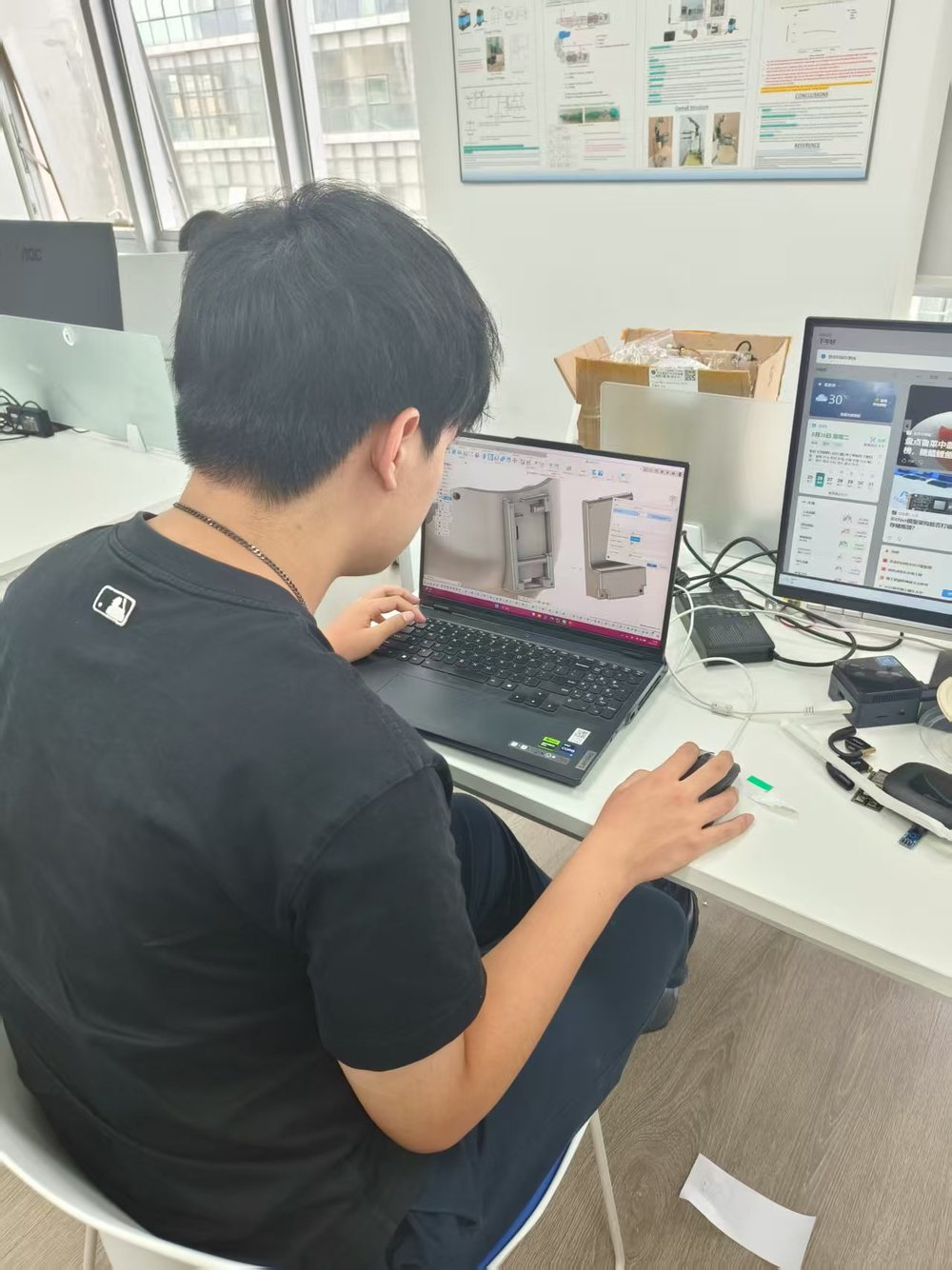
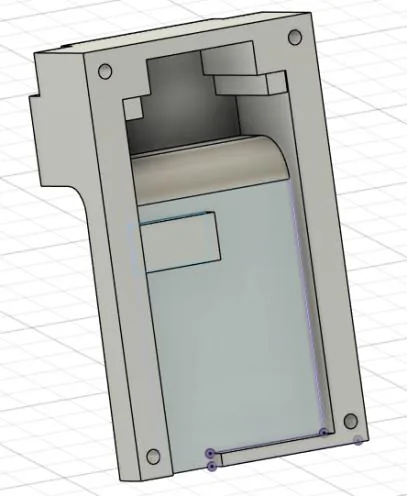
shell, the sensor mount and the control enclosure were all drawn for this
build, then printed and tested.
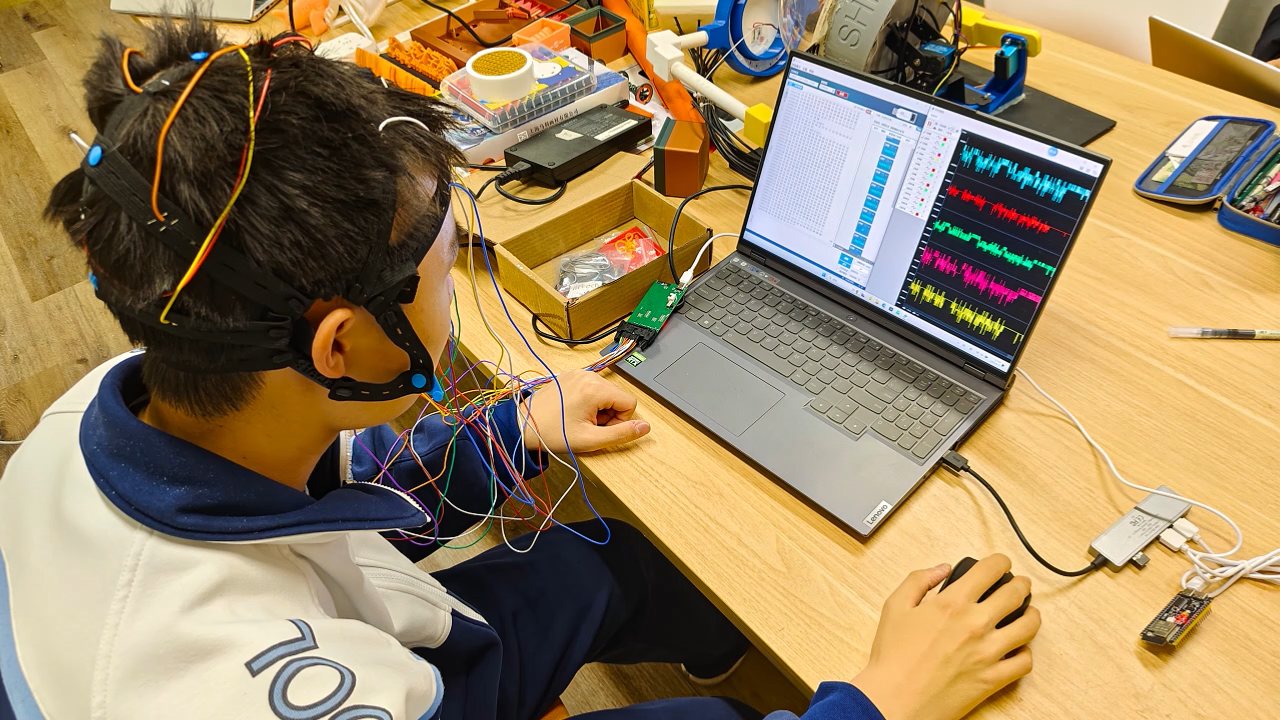
Wired test session with live waveform monitoring.
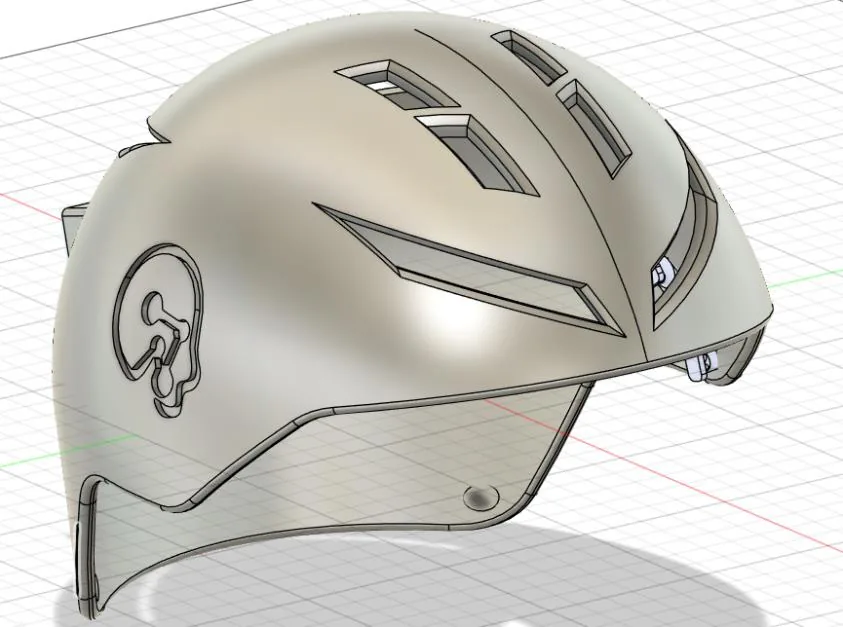
Shell CAD — ventilation slots and rear enclosure.
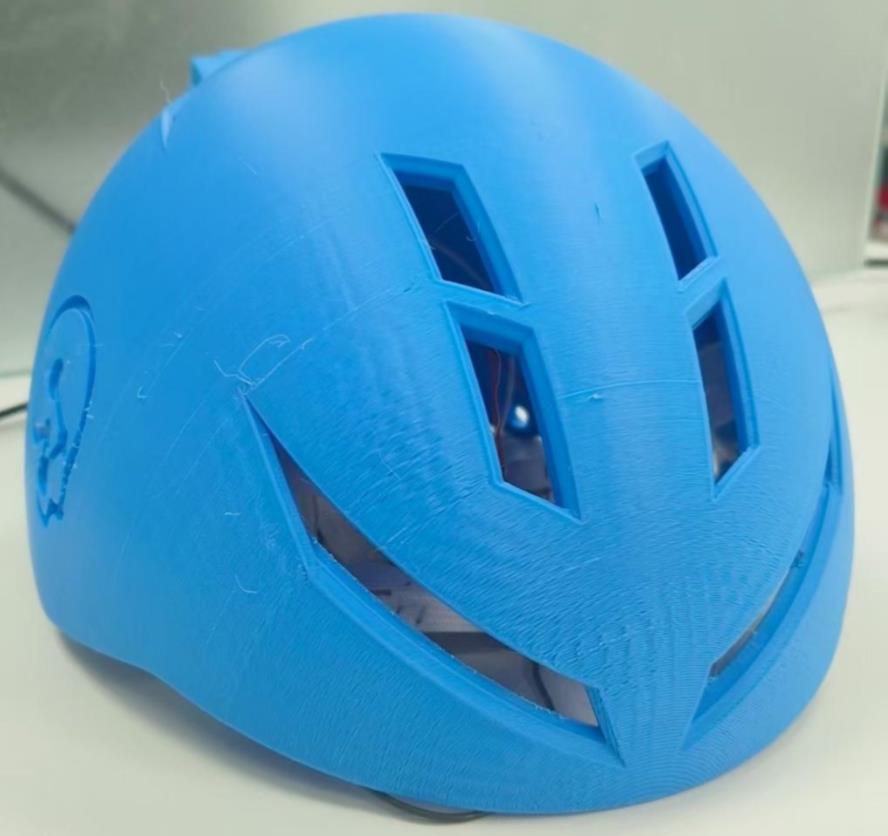
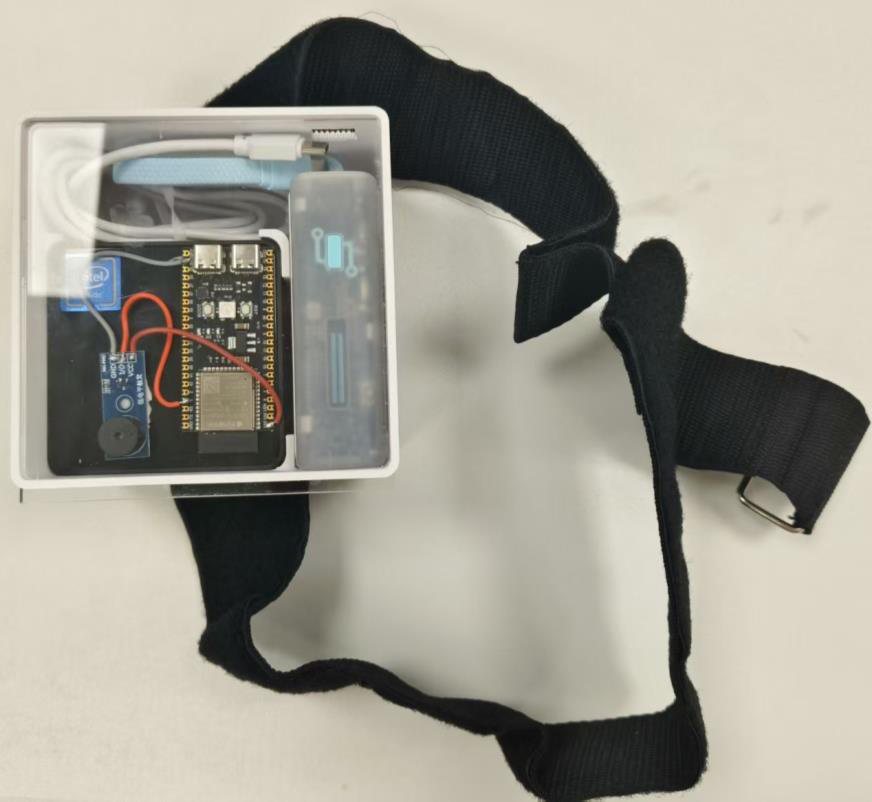
Printed shell, first fit check.Sealed control box and strap.
EEG16-channel acquisition
ProcessingBLE to local computer
AlertLED state and buzzer
Out of the lab
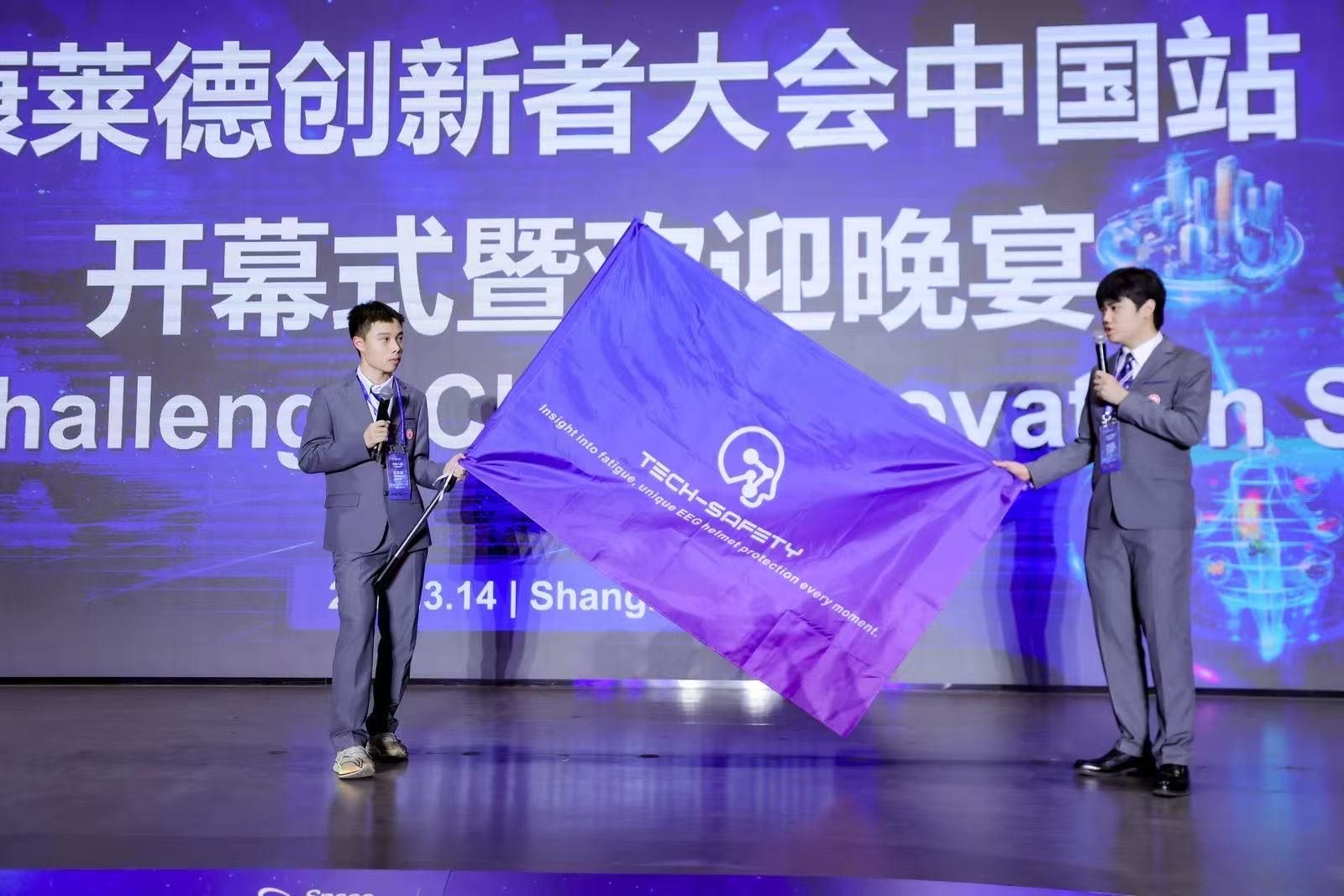
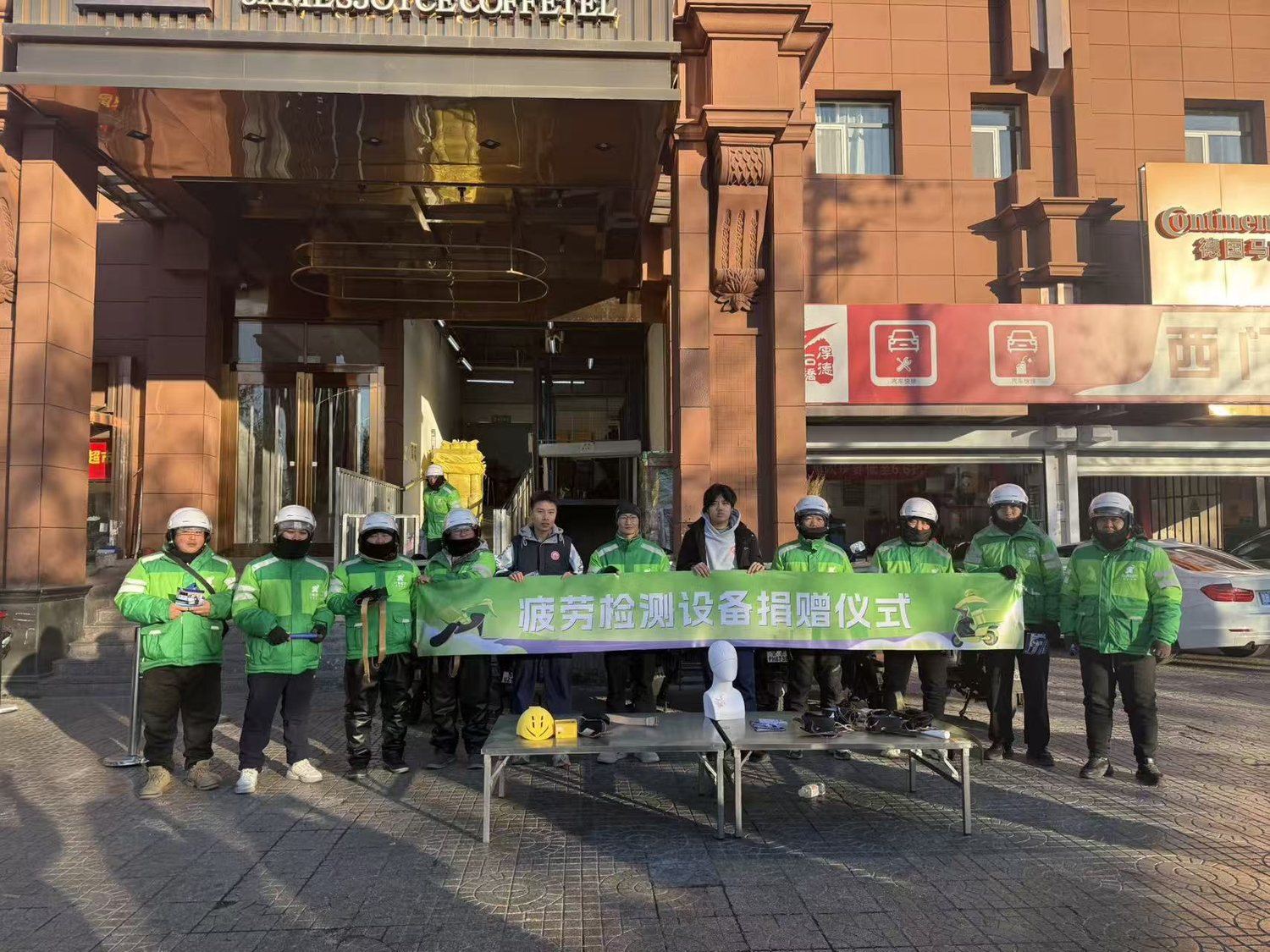
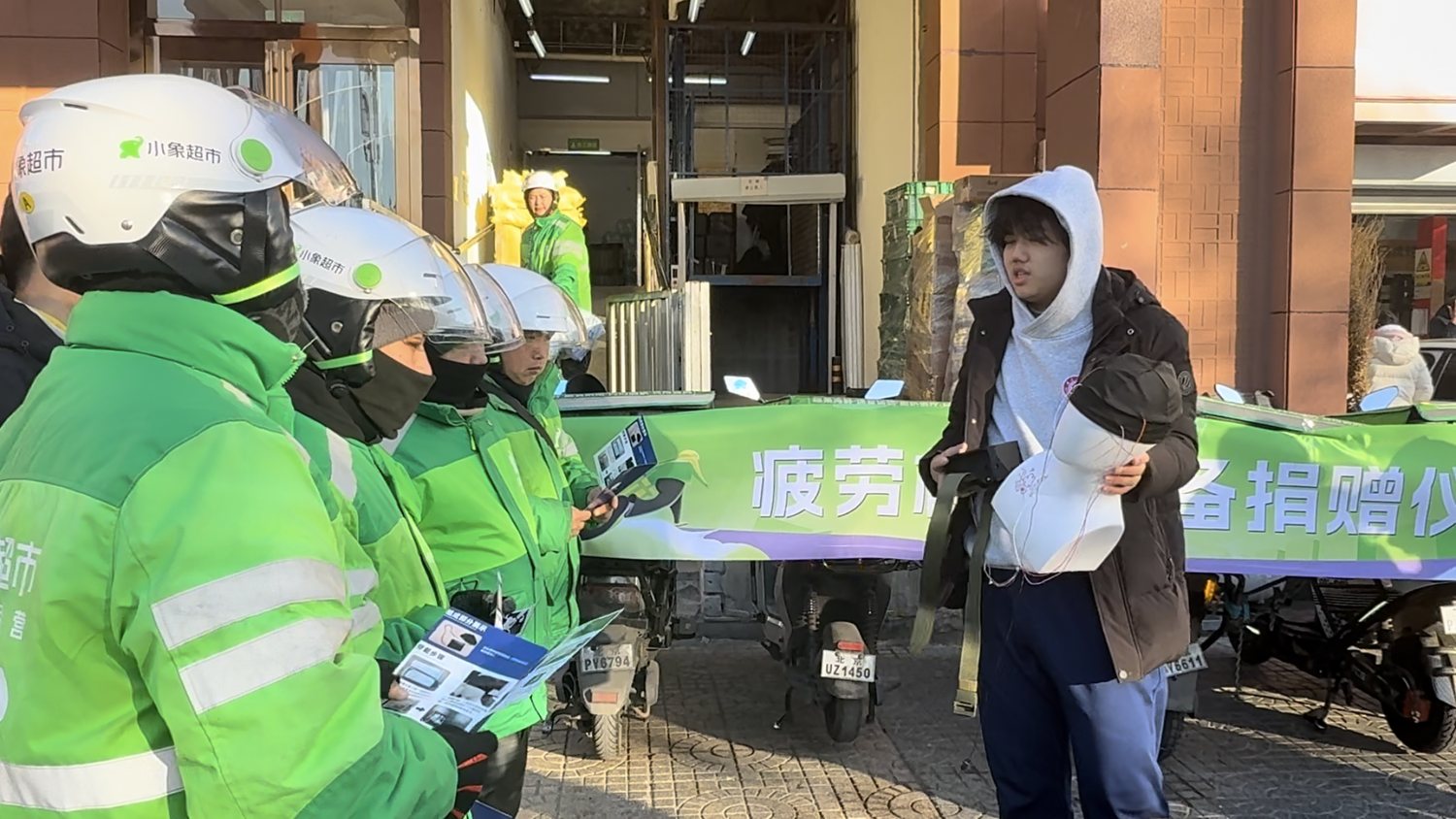
A unit was handed over to delivery riders at a donation ceremony. The
people who would wear it were the ones who said whether it worked.
Donation ceremony with the riders who would wear the device.Handover and explanation at the ceremony.
Sound into touch
Sound-to-vibration wearable assistive device
A second prototype converts sound into a tactile response. Sensing and
vibration sit in separate 3D-printed housings, so an alert can be felt in a
noisy room, or by someone who cannot rely on hearing it at all. Trigger
logic, response time and user testing are the next things to document.
Sensing and vibration modules in their printed housings.
Open housing with the board and battery.
Sound
Bluetooth
Vibration
A glove that carries the sensing
Wearable assistive device · in development
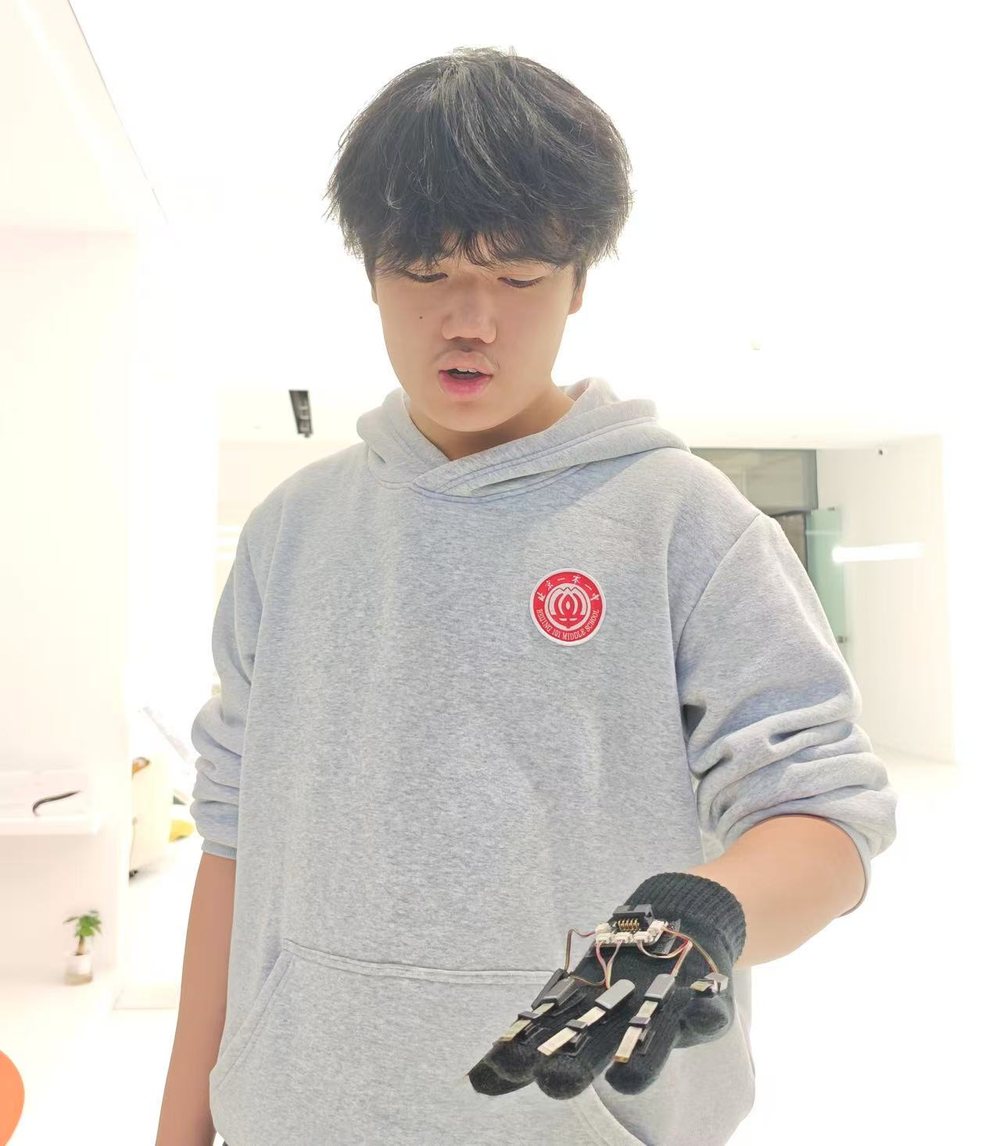
The third wearable moves the sensing into something a hand already
knows how to wear. The enclosure is modelled so the electronics sit
flat on the back of the hand and do not interfere with grip, then
printed and fitted. The version shown is still being refined.
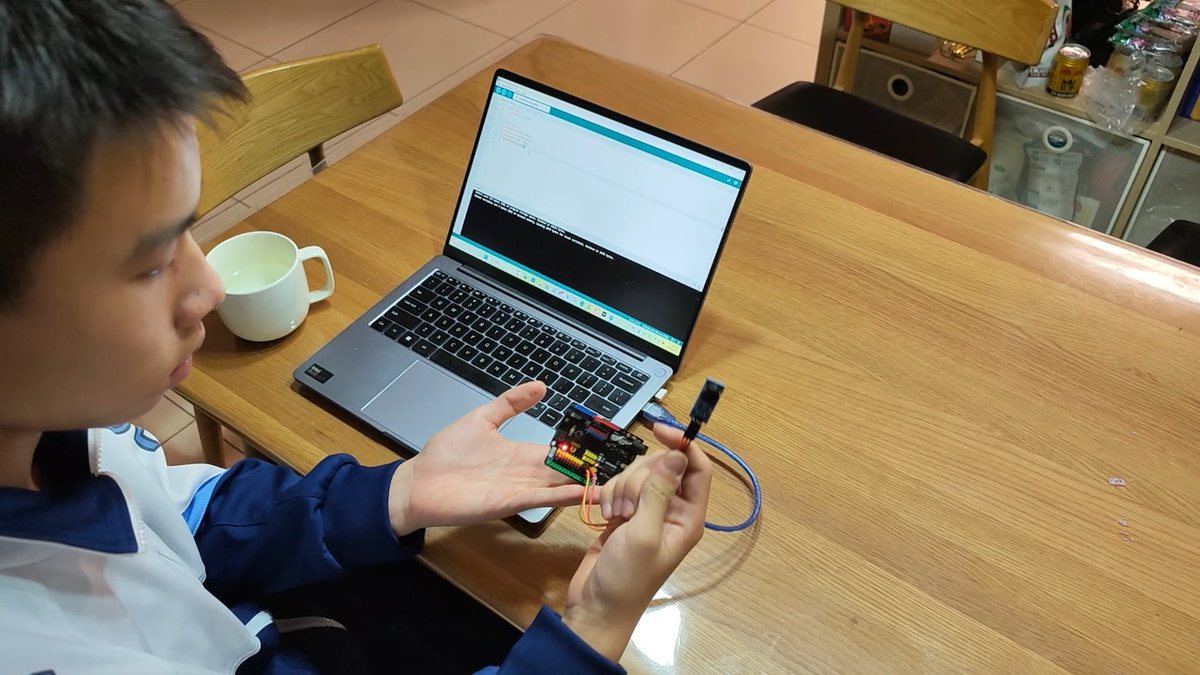
First fit: board and wiring on the back of the hand.
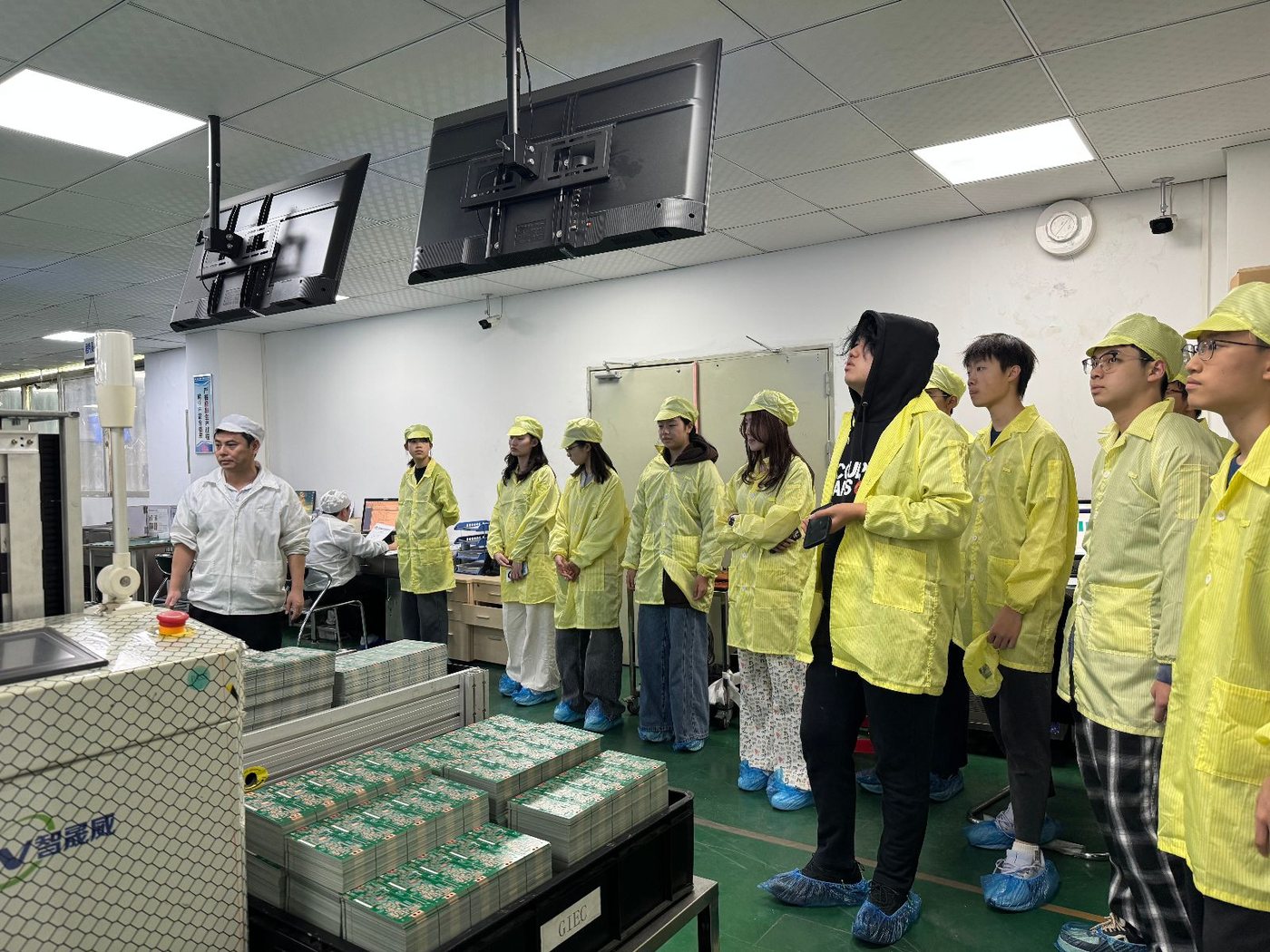
Enclosure modelling, with the printed parts alongside.Visit to an electronics manufacturing partner.
02 — Mathematical Models
Structure for problems too large to see at once
Some systems cannot be understood by examining a single object. These models
trace relationships across energy, carbon, markets, and uncertainty —
and every one of them needed a debugging story before it needed a result.
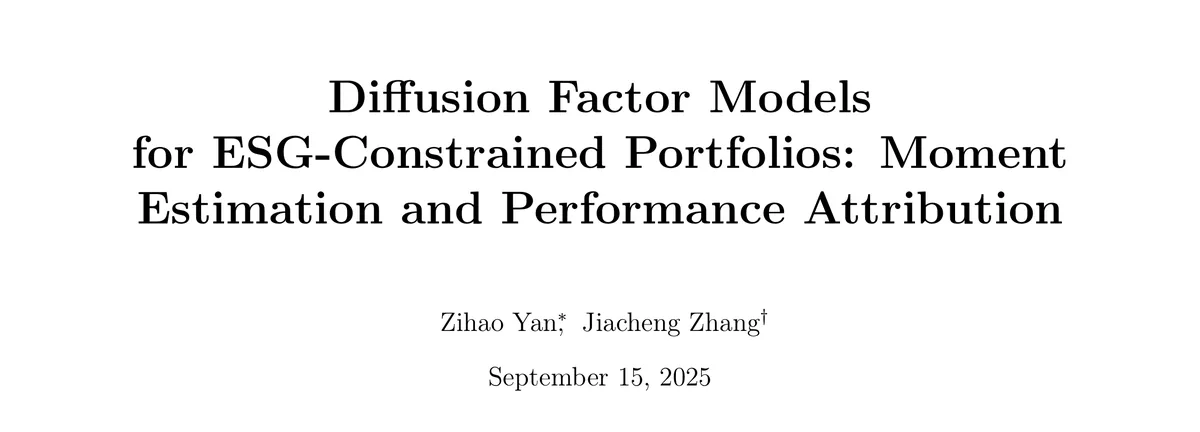
Diffusion factor models under ESG constraints
Co-authored with Zihao Yan · Beijing 101 High School
The paper asks how a diffusion factor model generates high-dimensional return
scenarios, and how ESG constraints change what a portfolio is allowed to hold.
The contribution statement credits me with studying the model's theoretical
foundations, running and reproducing the baseline code, providing the
computing environment, and writing parts of the results and discussion.
The theory was the easy half. The baseline code kept throwing errors and would
not converge; the fix was a revised parameter initialization and more
deliberate hyperparameter settings.
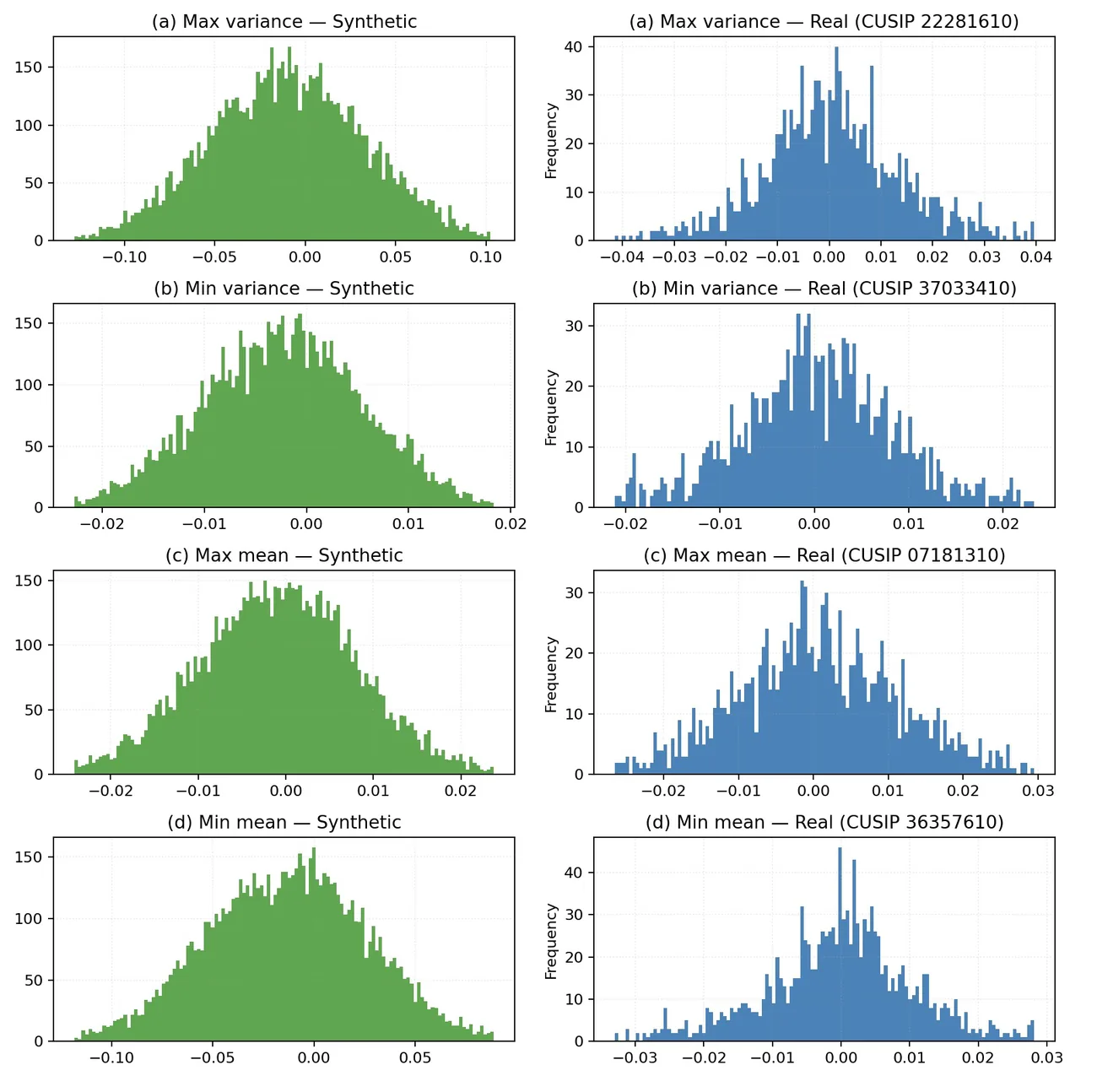
Synthetic against real distributions, four statistics across six assets.
Scenarios
Moments
ESG constraints
Attribution
Synthetic moments are estimated against real data first. Only once the
scenario generator holds up is it constrained, and only then is performance
attributed back to individual decisions.
Sustainable HPC
HiMCM Team 15204 · Problem B
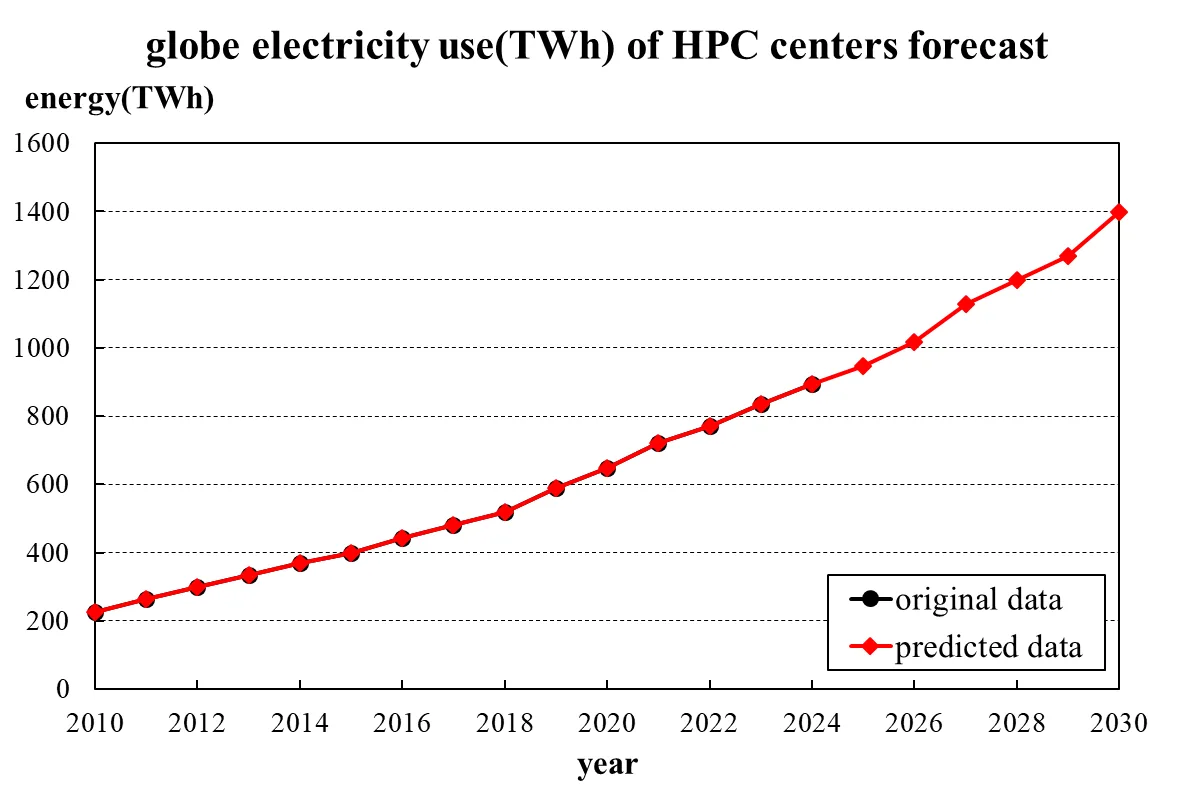
The team modelled the electricity use and carbon footprint of high-performance
computing through 2030, from manufacturing emissions to wastewater treatment.
My contribution was the model framework and the extraction of the research data
the model runs on.
1,399 TWhModelled HPC electricity use in 2030
−90.7%Carbon intensity, 347.5 → 32.2 gCO2/kWh
873,600 tCO2 from water treatment at 15% reuse
Observed and forecast electricity use, 2010–2030.Emissions against water purification ratio.
03 — Layered Prototypes
A working system is built across layers
The prototypes move across layers: a form that fits the body, electronics that
stay stable in motion, code that carries a signal, and a test that reveals what
should change next. An outer shell is not a finished system.
01
Form
The shell is drawn around the head first: profile, brow line, and ventilation slots placed where airflow actually reaches the scalp.
02
Fit
Electrode position has to survive being worn. Contacts are fixed to the interior with defined spacing, then checked again on a printed shell.
03
Housing
A sealed enclosure holds the electronics, with a cable channel and a sliding lid so the unit can be opened without pulling on the wiring.
04
Electronics
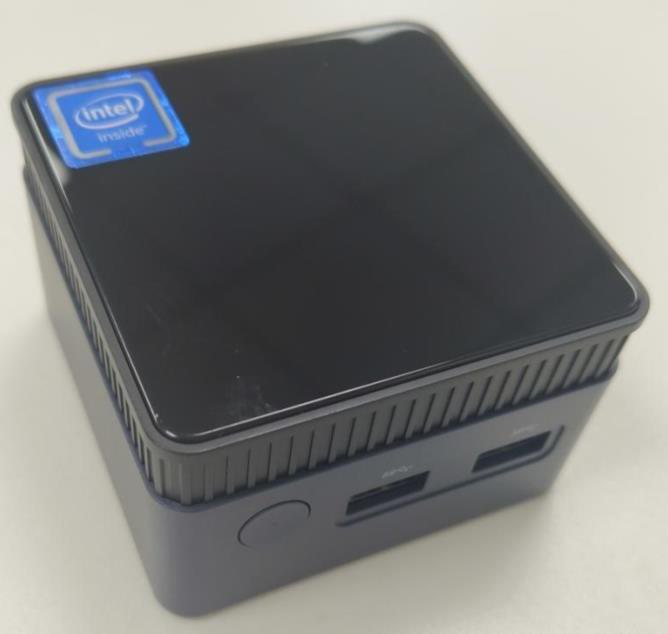
EEG front end, an ESP32-S3 for transport, and an N100 board for the work that is too heavy for a microcontroller.
05
Signal
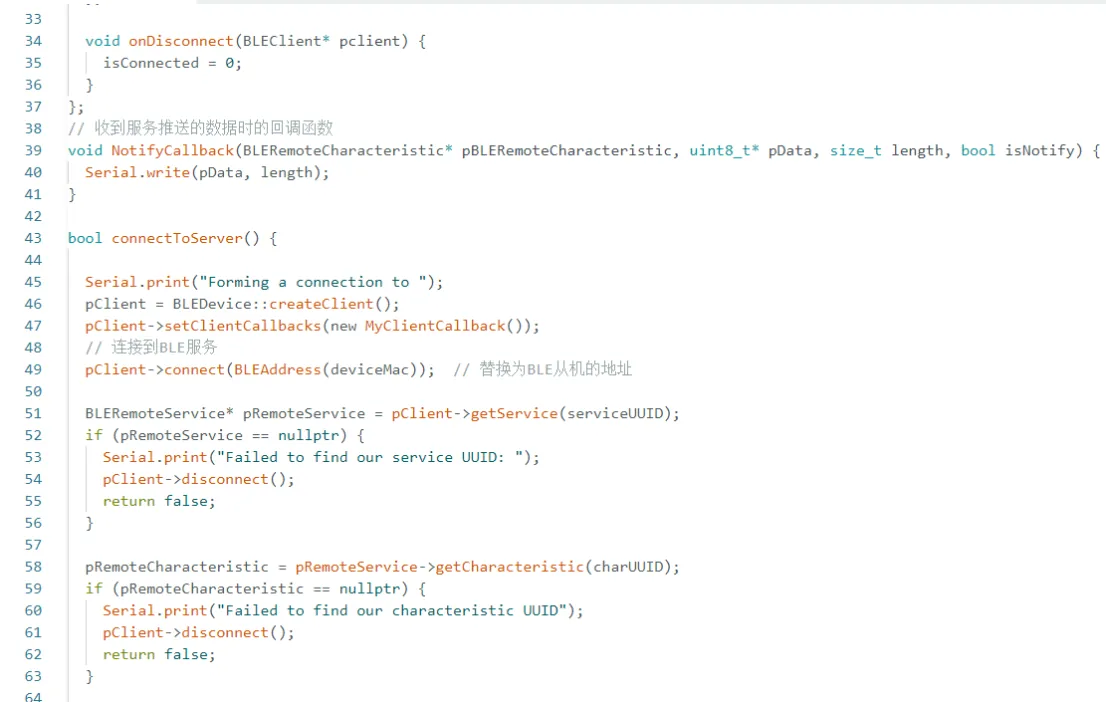
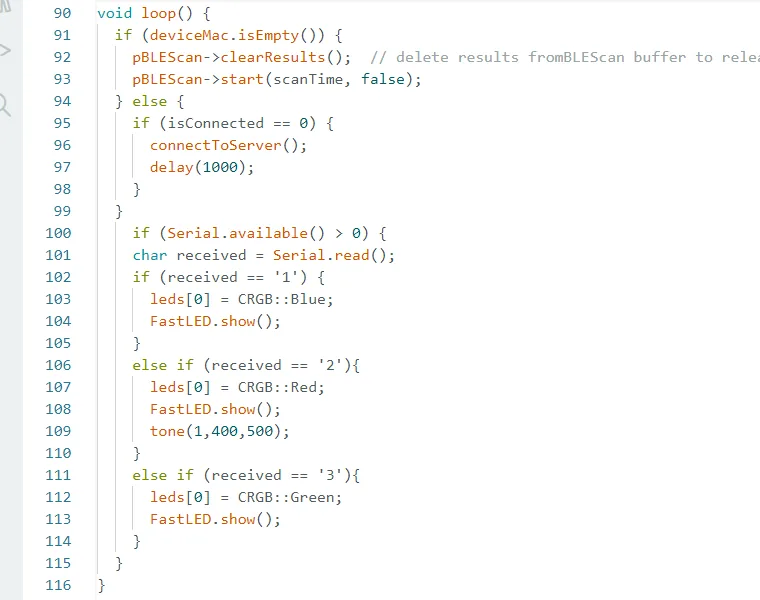
The wearable is not always in range. The BLE client rescans on a timer, reconnects when the device comes back, and forwards every notification to the serial port.
06
Feedback
A single fatigue value decides the output: past the threshold the LED goes red and the buzzer sounds, under it the LED stays green.
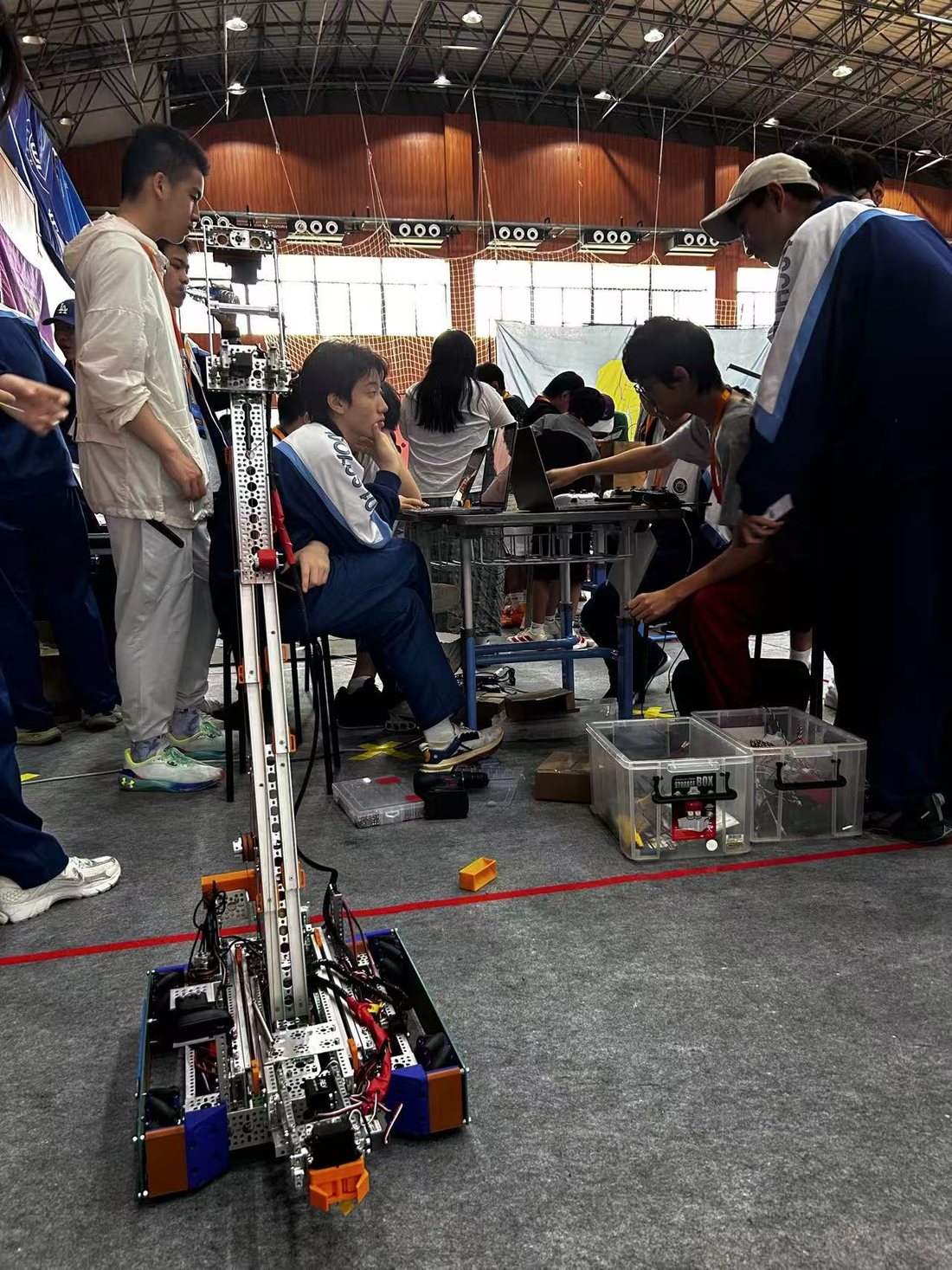
Team 28660, FTC China Offseason
May 2025 · Judges’ Choice Award and Third Prize
A season of designing, building and testing a competition robot. The team took the
Judges’ Choice Award and Third Prize, and my participation certificate is part
of the record. My individual responsibility on the robot is still being written up.
In the pit, mid-season build.
04 — Selected Recognition
External evidence, not the story
2025
S. T. Yau High School Science Award, Regional Second Prize
Conrad Challenge China, Silver Medal in Cyber-Technology & Security
FTC Judges’ Choice Award and Third Prize, Team 28660
Berkeley Math Tournament, Team Power Round National High Distinction
Berkeley Math Tournament, Team Overall National Distinction
AIME Qualification, Certificate of Excellence
MMATHS Team Round Distinction
2024
Australian Mathematics Competition, National Second Prize, Intermediate Level
Mini Berkeley Math Tournament, Gold in Team Overall, Team Round, Individual Round, and Puzzle Round
Mini Berkeley Math Tournament, Top 10 in Puzzle Round
I am most interested in problems where a hidden signal can become a useful system.